
The Chemistry of Calm.
What we consume dictates how we respond to the world. Beyond simple calories, specific nutrition profiles act as a biological buffer, helping the nervous system recover and maintain equilibrium in high-pressure environments.
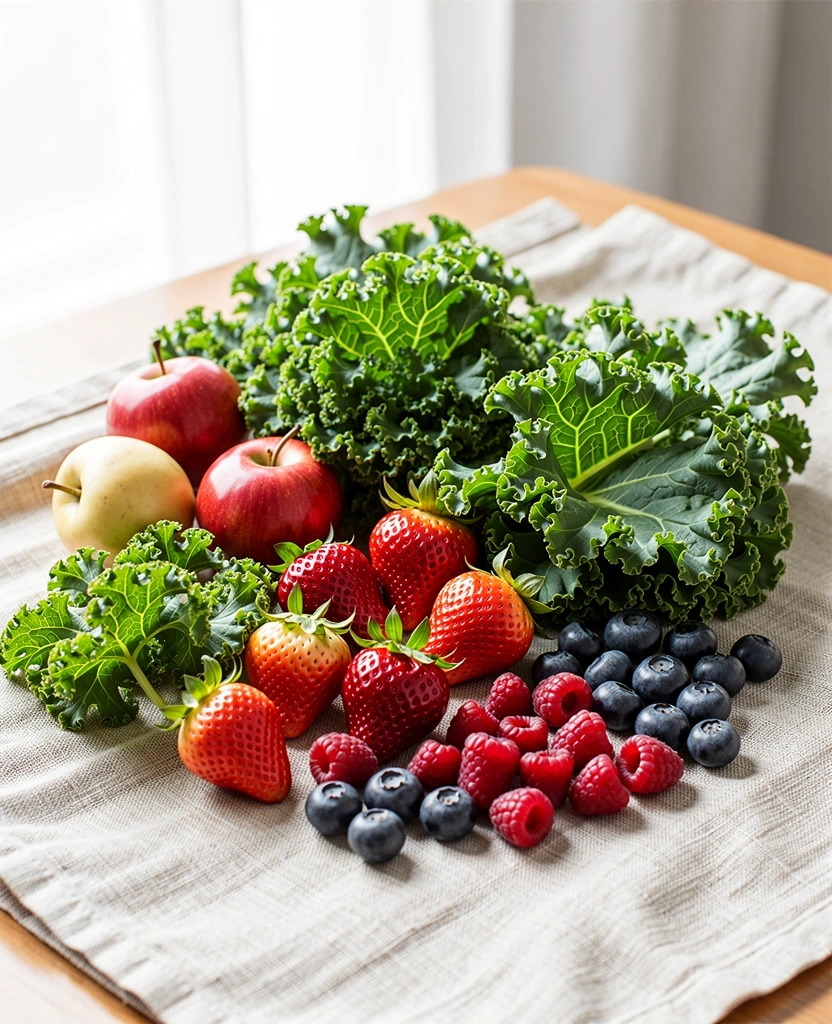
How food shapes your stress response.
When we experience tension, our body rapidly depletes stores of magnesium, vitamin C, and B vitamins. Without replenishing these via a diverse intake of and fruits, the biological "cost" of stress increases, leading to fatigue and irritability.
Sustainable energy isn't about stimulants; it's about glycemic stability. Choosing whole dietary sources ensures a steady flow of glucose to the brain, preventing the crashes that trigger cortisol spikes.
-
01
Leafy Greens
Rich in folate, which produces dopamine, a pleasure-inducing brain chemical.
-
02
Antioxidant Berries
Counteract the physical effects of stress-related oxidative damage.
-
03
Complex Grains
Facilitate serotonin production for better sleep and mood regulation.
Protocol: Fueling for Resilience
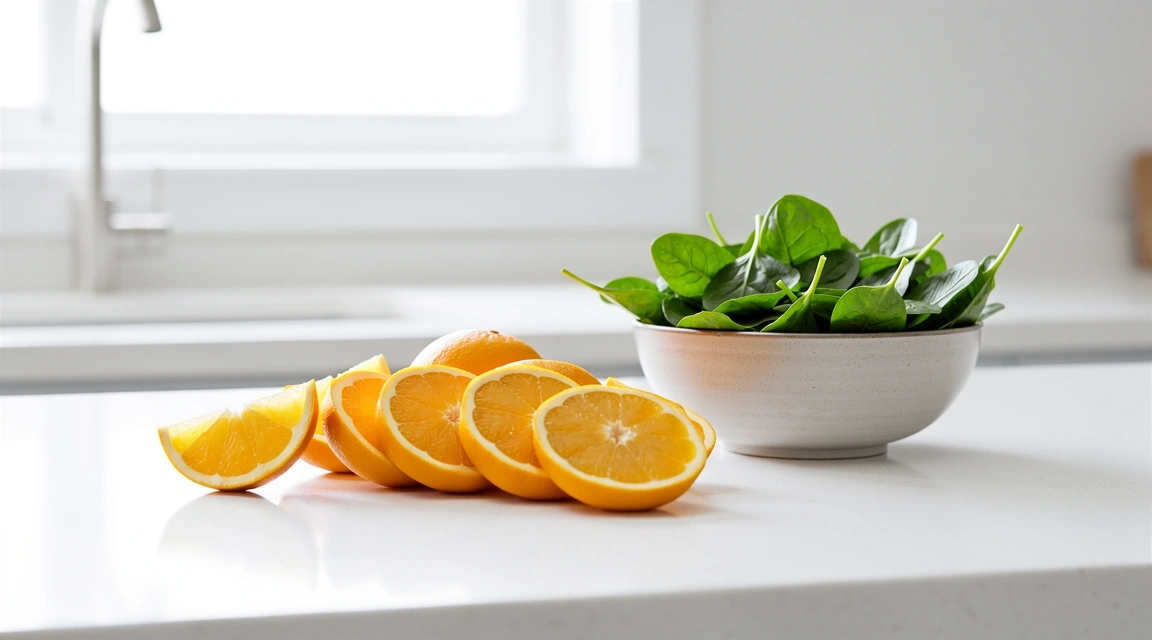
The Vitamin C Buffer
Studies consistently show that high doses of Vitamin C can help the body bounce back from stressful situations more rapidly. It helps lower levels of cortisol, the hormone released when you feel under pressure.
Incorporating bell peppers, strawberries, and oranges into your morning routine isn't just about nutrition; it's a proactive step in emotional regulation.
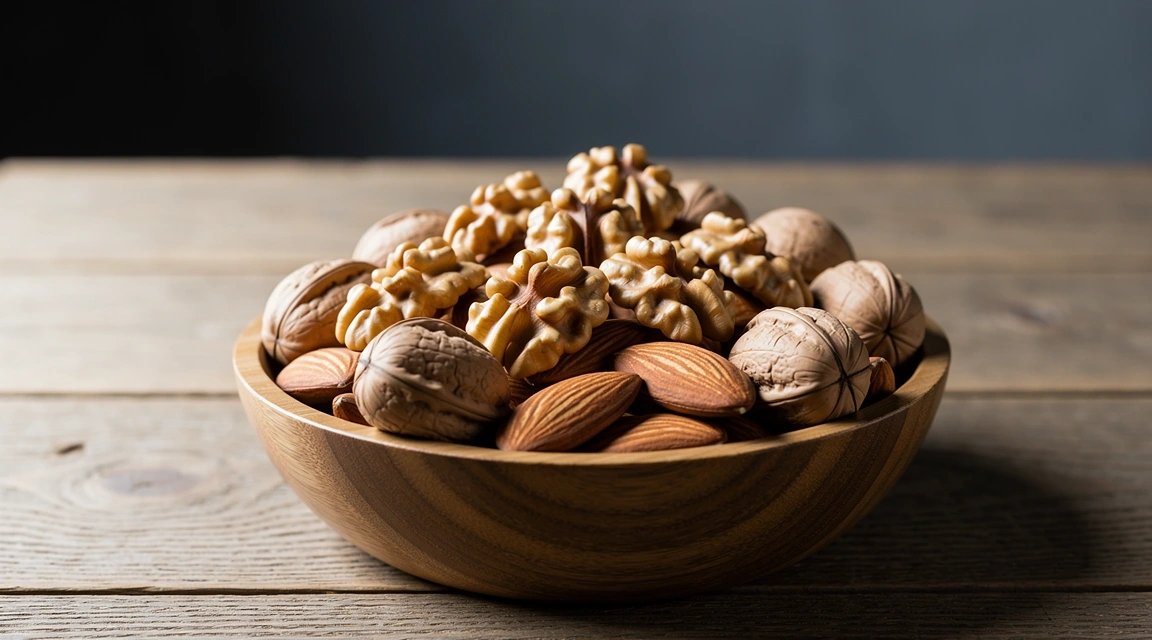
Magnesium: The Natural Relaxant
Often called the "anti-stress mineral," magnesium is essential for muscle relaxation and brain function. When levels are low, we feel anxious and restless.
Magnesium is found in abundance in pumpkin seeds, leafy greens, and almonds. Making these a staple of your active lifestyle helps maintains the calm necessary for clear decision-making throughout the day.
Mindful Selection
Cruciferous Crunch
Broccoli and cauliflower contain sulfur compounds that support gut health. Since 90% of serotonin is made in the gut, these are essential for stable mood.
Healthy Fats
Avocados and olive oil provide essential monounsaturated fats that nourish brain cells and facilitate the absorption of stress-fighting nutrients.
Hydration First
Dehydration is a physical stressor. Even mild fluid loss raises cortisol. Infusing water with fresh fruits makes consistent hydration enjoyable.
The Synergy of Sport & Food.
Managing pressure isn't a single-factor challenge. When you combine with , you create a metabolic engine that processes stress hormones instead of letting them sit in your system.
Post-exercise food choices are critical. Replenishing with a mix of carbohydrates and proteins within 45 minutes of activity stabilizes blood sugar and tells your nervous system it is safe to down-regulate from a state of high alert to one of recovery.

Small shifts, Major impact.
Managing stress isn't about perfection; it is about consistency. By making mindful choices at each meal, you build a foundation of resilience that serves you when life gets demanding.